Social Aid & Pleasure Clubs
INTRODUCTION
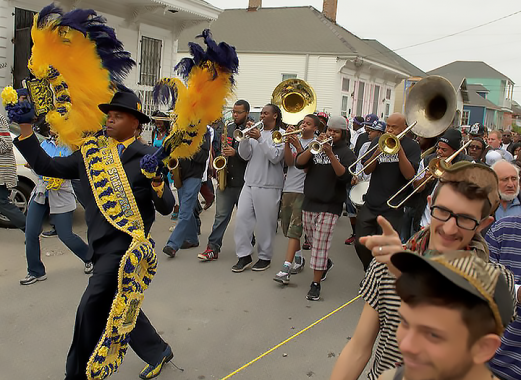
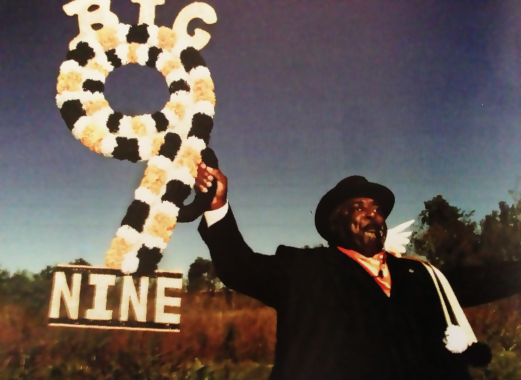
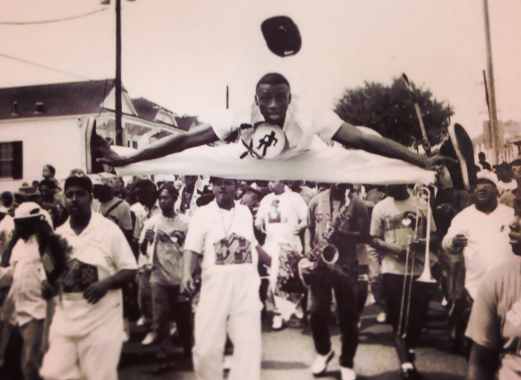
In the tiniest of nutshells, Social Aid & Pleasure clubs are African American community organizations. Some historians believed they served as insurance brokers in black New Orleans prior to desegregation; others say they serve a purpose similar to an Elks or Lions Club in much of the rest of the country. There are dozens of S&P clubs, and today one of their services to the community is putting on Second Lines.
S&P clubs often have similar social hierarchies to Mardi Gras Indian tribes; the titles may not be identical, but the basic gist of structuring the society into a top-down pecking chain remain the same.
PARADES
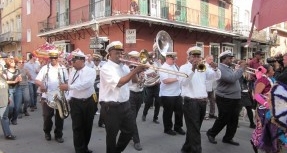
All Social Aid and Pleasure Clubs are representatives of their communities, and the parade represents that. When you form a route, you are bringing people through the cracks and crevices of your neighborhood to give everybody an opportunity to be part of it. It has a political and a social impact and it truly belongs to the city.
A RIGHT TO THE CITY
Parading in public almost always has a political meaning. After Katrina, the social club parades became more important than ever as they called people home to reclaim the city, and say “We are New Orleans,” and “This is our city.” When so many residents were dealing with loss, the parades – with their powerful ways of expressing grief and faith in collective perseverance and triumph over adversity — became important spaces for coming together and reflecting on life and community.
“It ain’t where you’re from, it’s where you’re at!”