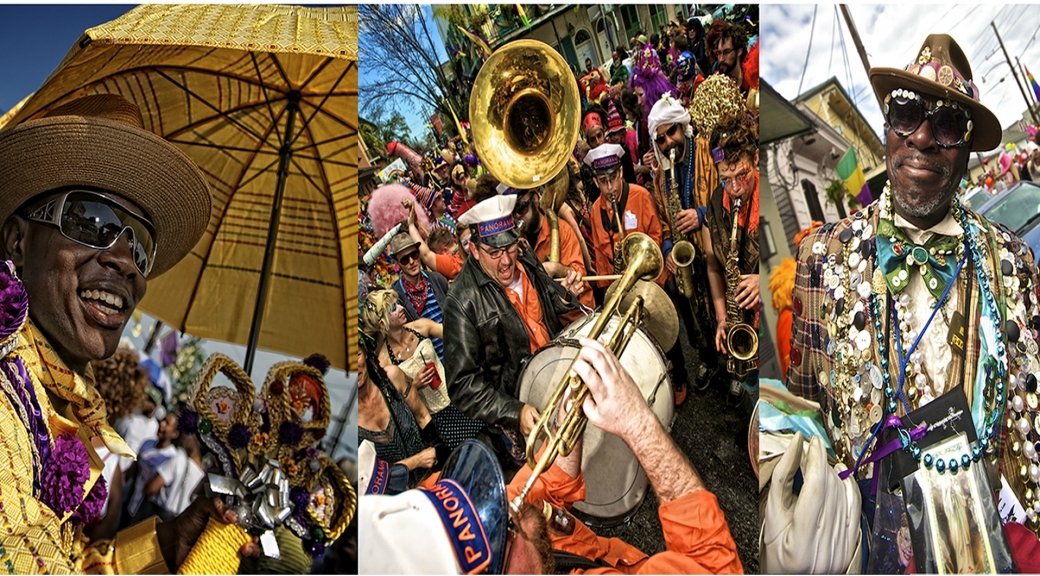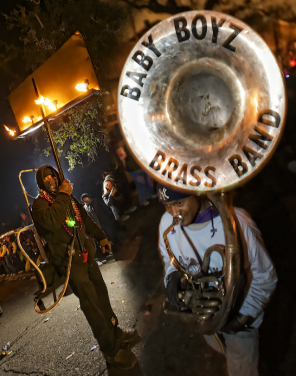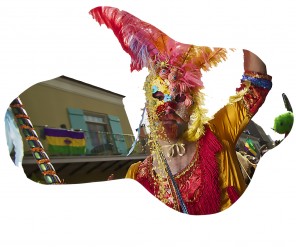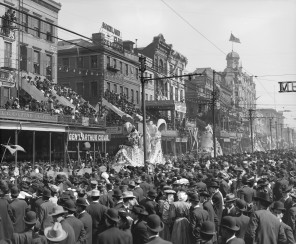
So what happens during Carnival?
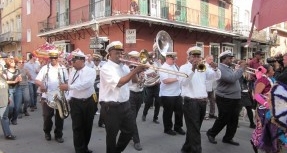
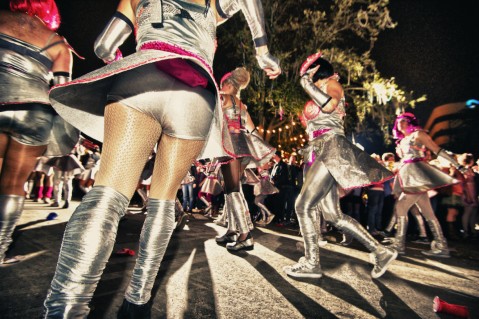
The parade season starts three Saturdays before Fat Tuesday. That’s the critical thing to remember: Carnival is a multi-week affair. It starts with Krewe du Vieux, the only krewe allowed to march through the French Quarter. For about two weeks it’s very wholesome sort of thing, with families gathering for parades along St Charles Avenue, catching beads that they then pass to their children. For comfort and convenience, some Mardi Gras parade-goers opt to purchase tickets for grandstand seating. This option provides exclusive seating along the parade route with private restrooms and easy access to food, beverage, and parking. To learn more about New Orleans Parade tickets, visit neworleansparadetickets.com.
Different carnivals reflect different historical realities. Catholic Creoles practiced carnival for decades, and the season was noted for being a time when folks quite deliberately crossed racial lines, albeit while masked, to the point that costuming was outlawed a few times by successive Creole governments. But the party faded as Americans moved into Louisiana. But then, in 1857, shadowy cabal of wealthy wealthy Americans paraded in front of fantastical horse-drawn floats lit by the eerie glow of me carrying flambeaux (torches). The parade marchers called themselves the Mistick Krewe of Comus; the deliberate misspelling of ‘crew’ is still utilized by New Orleans parading societies today.
As the 19th century continued, more krewes, usually composed of the city’s elites, were created. One of the first krewes formed for the city’s African American population, Zulu, was founded in 1909; today Zulu and the krewe of Rex close out the parading season on Mardi Gras day. Mardi Gras Indians began hitting the warpath around 1885. By the late 20th century, ‘superkrewes’ with multistory floats and thousands of riders roll past neighborhood krewes that band together for hilarious walking parades.
The origins of Mardi Gras can be traced to medieval Europe, passing through Rome and Venice in the 17th and 18th centuries to the French House of the Bourbons. From here, the traditional revelry of “Boeuf Gras,” or fatted calf, followed France to her colonies.
On March 2, 1699, French-Canadian explorer Jean Baptiste Le Moyne Sieur de Bienville arrived at a plot of ground 60 miles directly south of New Orleans, and named it “Pointe du Mardi Gras” when his men realized it was the eve of the festive holiday. Bienville also established “Fort Louis de la Louisiane” (which is now Mobile) in 1702. In 1703, the tiny settlement of Fort Louis de la Mobile celebrated America’s very first Mardi Gras.
In 1704, Mobile established a secret society (Masque de la Mobile), similar to those that form our current Mardi Gras krewes. It lasted until 1709. In 1710, the “Boeuf Gras Society” was formed and paraded from 1711 through 1861. The procession was held with a huge bull’s head pushed alone on wheels by 16 men. Later, Rex would parade with an actual bull, draped in white and signaling the coming Lenten meat fast. This occurred on Fat Tuesday.
New Orleans was established in 1718 by Bienville. By the 1730s, Mardi Gras was celebrated openly in New Orleans, but not with the parades we know today. In the early 1740s, Louisiana’s governor, the Marquis de Vaudreuil, established elegant society balls, which became the model for the New Orleans Mardi Gras balls of today.
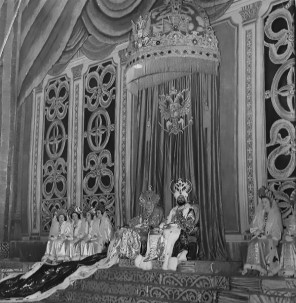
The earliest reference to Mardi Gras “Carnival” appears in a 1781 report to the Spanish colonial governing body. That year, the Perseverance Benevolent & Mutual Aid Association was the first of hundreds of clubs and carnival organizations formed in New Orleans.
By the late 1830s, New Orleans held street processions of maskers with carriages and horseback riders to celebrate Mardi Gras. Dazzling gaslight torches, or “flambeaux,” lit the way for the krewe’s members and lent each event an exciting air of romance and festivity. In 1856, six young Mobile natives formed the Mistick Krewe of Comus, invoking John Milton’s hero Comus to represent their organization. Comus brought magic and mystery to New Orleans with dazzling floats (known as tableaux cars) and masked balls. Krewe members remained anonymous, and to this day, Comus still rides!
In 1870, Mardi Gras’ second Krewe, the Twelfth Night Revelers, was formed. This is also the first recorded account of Mardi Gras “throws.”
Newspapers began to announce Mardi Gras events in advance, and they even printed “Carnival Edition” lithographs of parades’ fantastic float designs (after they rolled, of course – themes and floats were always carefully guarded before the procession). At first, these reproductions were small, and details could not be clearly seen. But beginning in 1886 with Proteus’ parade “Visions of Other Worlds,” these chromolithographs could be produced in full, saturated color, doing justice to the float and costume designs of Carlotta Bonnecase, Charles Briton and B.A. Wikstrom. Each of these designers’ work was brought to life by talented Parisian paper-mache’ artist Georges Soulie’, who for 40 years was responsible for creating all of Carnival’s floats and processional outfits.