INTRODUCTION
What goes in the pot?
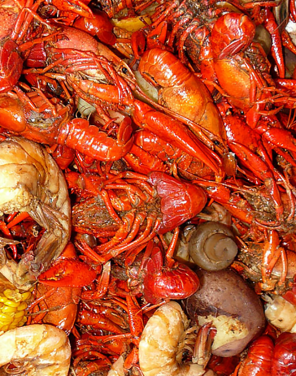
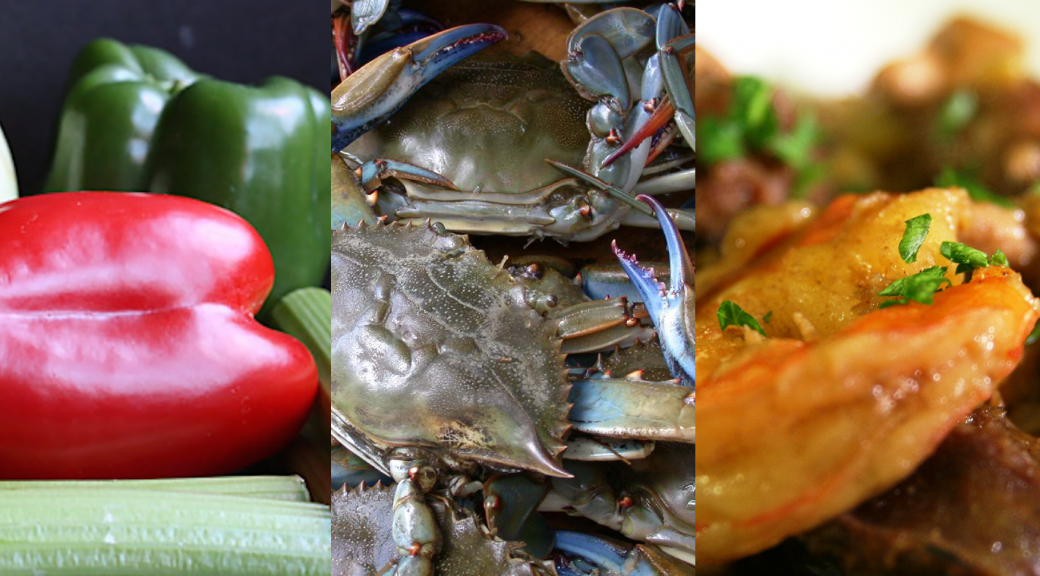
Like all great cuisines, the food of New Orleans is borne of mixing cultures, geography and necessity. France is the most recognizable parent culture, but West Africa, Native American tribes, Spain, Germany, Vietnam and other contenders have all left their mark. The French, for example, used bread as a staple starch, but bread was difficult to make in swampy Louisiana. Rice, on the other hand, was grown by Native Americans in abundance, and was a common ingredient in Spanish cuisine. So rice replaced bread as a starch, a substitution motivated by ethnic dialogue and the imperative faced poor people across the world: how do we turn the local flora and fauna into something tasty? Luckily, Louisiana has lots of local flora and fauna. The swamp yields fish and shellfish, boar and fowl, and rice, sassafras and okra.
We have to give the French (and later, Spanish) credit for one major contribution to Louisiana food culture, and that is an appreciation of food, the quality of being a bon vivant. While the rest of America saw food as fuel, rather than an experience to be savored, New Orleans was already taking long lunches. Yes, it made us a little less efficient, but also a lot more fun. as slow food/localvore movements become popular in the rest of the USA, New Orleanians shake their heads with a smirk – people here have been obsessing over where their boudin, crawfish and oysters come from long before such questions became popular in New York or San Francisco.