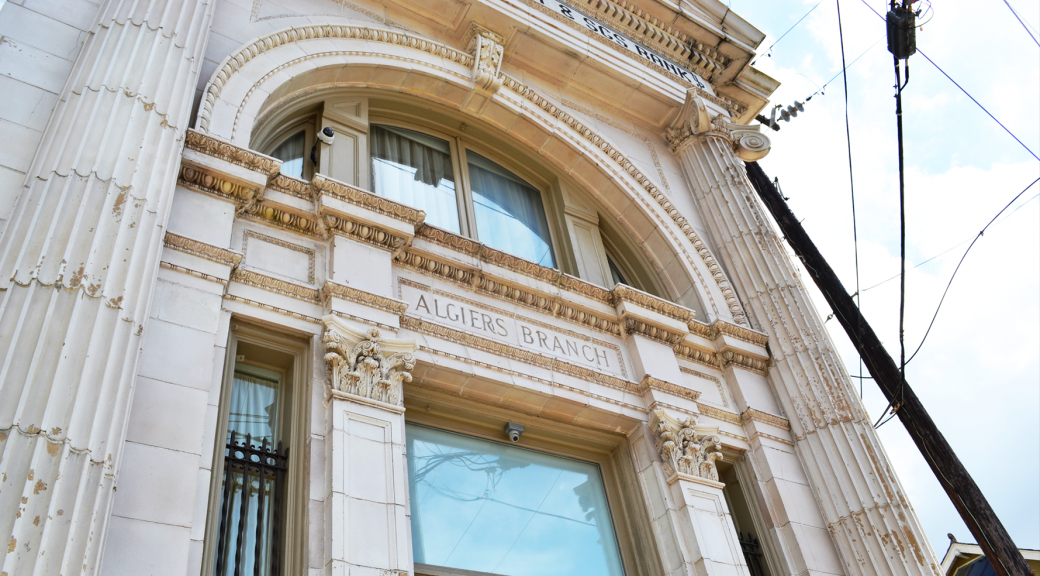
Algiers - West Bank
Just when you thought the geography of this city couldn’t get more confusing, here comes this little gem: that part of the city we call the West Bank is east of most of New Orleans.
next
Just when you thought the geography of this city couldn’t get more confusing, here comes this little gem: that part of the city we call the West Bank is east of most of New Orleans.
next
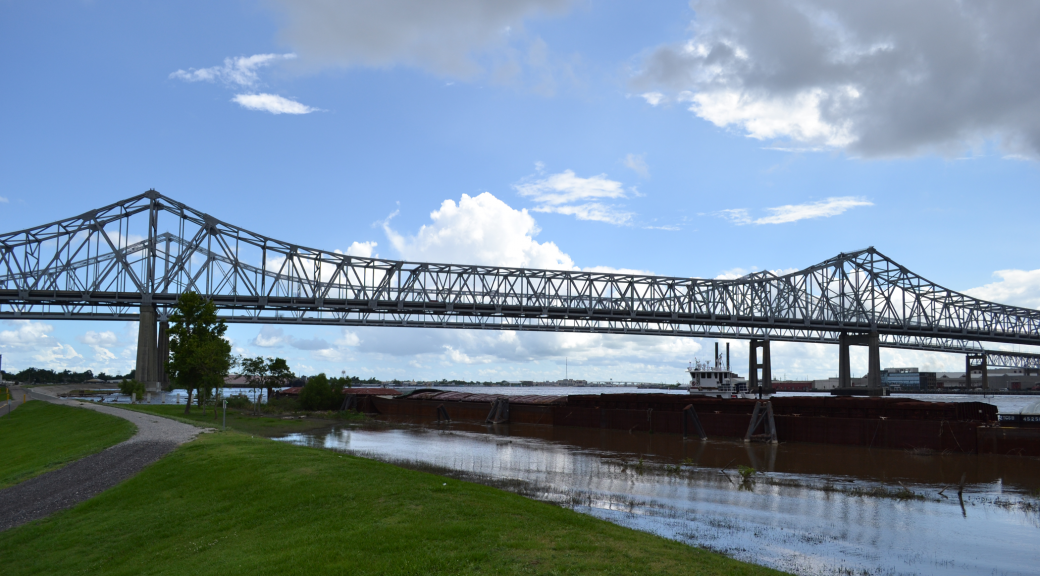
It’s OK, we feel your pain. Here’s the deal: the West Bank is called as such because it is on, well, the west bank of the Mississippi River, but because of the curve of the river said bank is east of most of Orleans parish. Does that make sense? Oh, never mind.
In any case, if you come out here — and you should, the ferry ride is wonderful — you have almost immediately set yourself apart from 9 out of 10 New Orleans tourists. Which is a shame. Algiers, and specifically the neighborhood of Algiers Point (‘Da Point’ in local yat) is pretty as a postcard, and were it located on the other side of the river, would doubtlessly be a larger player in the New Orleans tourism scene.
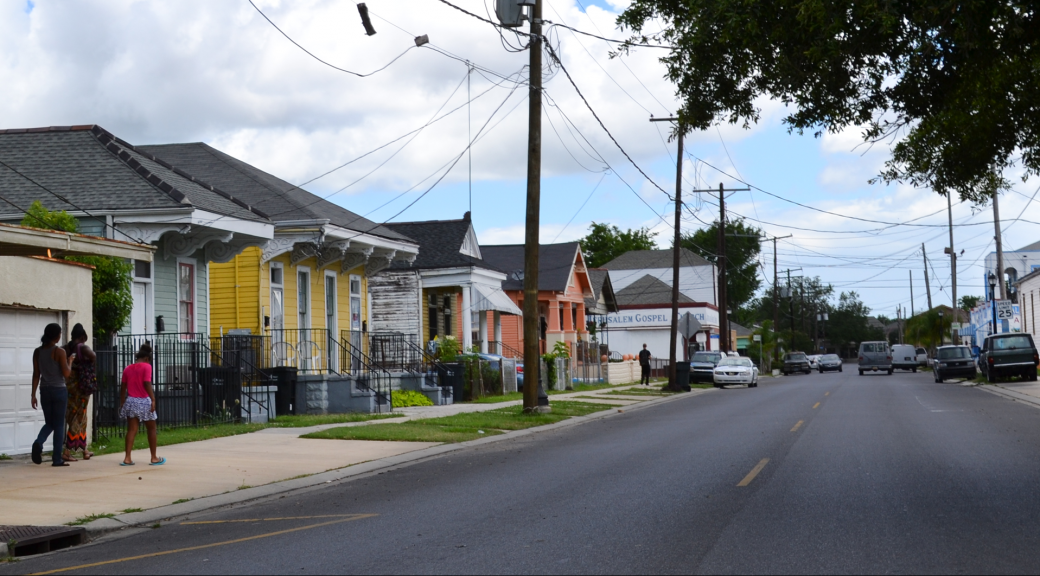
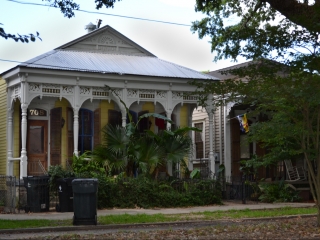
Oh well, guess that means you get to stroll past the gingerbread-esque houses in Algiers Point free of the maddening crowds. The main spot for you to explore is the Algiers riverfront, which consists of some three miles of pleasant levee trails, adjacent parks and easy access to the historical charm of Algiers Point.
The Point itself sort of feels like a detached small town as opposed to a neighborhood of New Orleans, and aesthetically comes off like the most charming parts of the Marigny or Uptown, if built to a smaller scale.
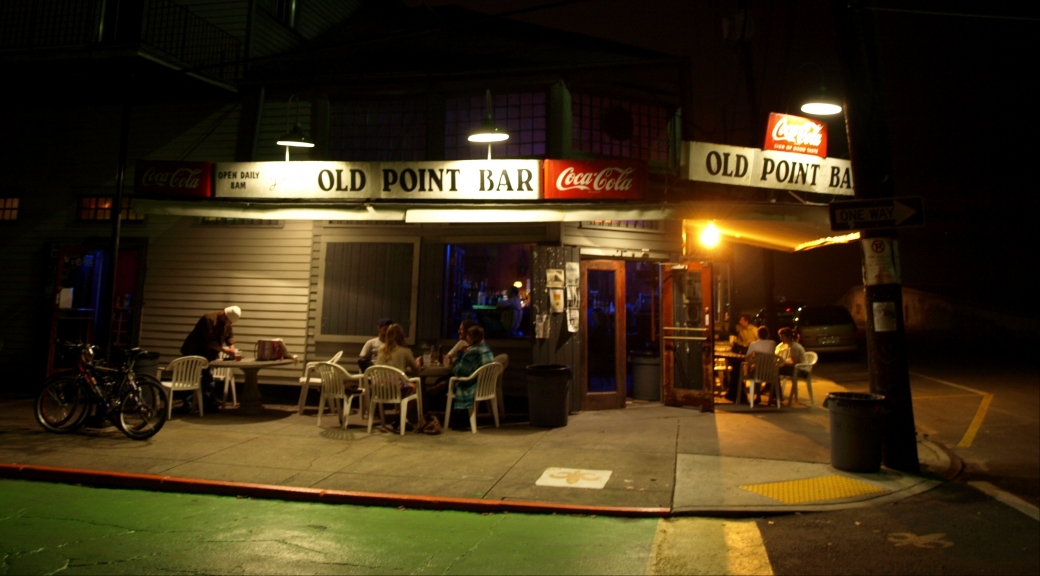
You’ll rarely meet tourists or even transplants out this way; Algiers is the sort of spot where neighbors and families can be traced back a long ways. Everyone enjoys heading to around-the-corner joints like Old Point Bar, grabbing an Abita and settling in for a set played by some talented locals (the music here is almost inevitably played by locals). One of our favorite activities here is just sitting on the levee as the sun sets, enjoying the beauty of the Nola skyline and the irony of watching the sun set in the west from a West Bank. Other landmarks including the intimidating Romanesque Old Courthouse and the lovely exterior of Mount Olivet Episcopal Church, which dates back to 1845.
If you get the chance (and for these activities, you may want to skip the ferry and get in a car), you can also explore other West Bank neighborhoods, particularly Gretna, which is home to much of the area’s Vietnamese population. While the layout of West Bank geography lends itself to highways and strip malls, there are some culinary gems sprinkled throughout the area.
Algiers and the West Bank, by the way, refers to an enormous region; this section primarily focuses on Algiers Point, which is the main area of interest for most tourists.

Algiers was established in the late 1700s, but not truly settled by Europeans and Africans until 1800. The land was long considered a separate city from the rest of New Orleans, but in 1870 the town was annexed to the city and became the 15th ward. Coming only five years after the end of the American Civil War, this act (getting folded back into a state after being folded back into a country) was galling for many Algerines.
A fire wrecked much of the neighborhood in 1895, and this while the houses you see at the Point are historic, they are younger than many New Orleans homes. Demographically, Algiers has endured and
adopted, and accepted the influx of migrants fleeing South Vietnam in the late 1970 with good grace. Many local jaz legends were born and raised here, including Clarence Frogman Henry and Red Mullens.
Old Point Bar — The Old Point was lifted from the pages of a textbook on great New Orleans bars. It has a down home, almost speakeasy vibe, but on the interior it’s all good friends and neighbors enjoying
some of the finest live music in Nola. In a sense, the Old Point might as well be the city hall of Algiers, as every resident of the Point seems to pass through here at least once a week to shoot the breeze. Dogs are welcome, nay seemingly encouraged to visit the Old Point and fart underneath the tables as their owners order another round. The Crown & Anchor — Fancy a pint, or some Premier League footie? How about just a damn good bar with a welcoming clientele? That’s the Crown and Anchor, which is one of the finer bars in the city and a magnet for expats from the British Isles.

There’s UK-themed stuff everyone, particularly on the walls, which are also covered in holes from the frequent darts games held here. We admit, the Crown simply captures the essence of pub, a place that’s a little more convivial than an American bar, nicer than a dive, but nowhere near as nice as, God forbid, a lounge. For a spot that seems positioned to cater to a international clientele, the Crown mainly seems to attract Algerines from around the way who love knocking back a whiskey with the odd bloke or two who stumbles in from oversears.







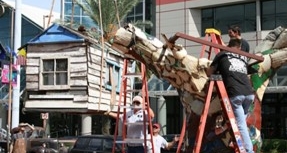
The Arts Council of New Orleans is a private, non-profit organization designated as the City’s official arts agency. The Arts Council serves as one of eight regional distributing agencies for state arts funds and administers available municipal arts grants and the Percent For Art program for the City of New Orleans. The Arts Council works in partnership with the City of New Orleans, community groups, local, state, and national governmental agencies, and other nonprofit arts organizations to meet the arts and cultural needs of the New Orleans community through a diversity of initiatives and services.
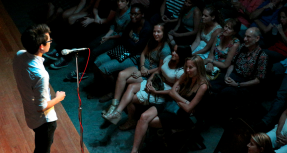
WWNO, the NPR member station for New Orleans, serves southeast Louisiana and parts of southwest Mississippi by broadcasting balanced news, thought provoking analysis, classical music, jazz and other musical styles, intelligent entertainment, and unique local content. We broadcast on 89.9 FM, and KTLN 90.5 FM in the Houma-Thibodaux area as a public service of the University of New Orleans. All of WWNO’s programs, including its growing local news coverage, are available online at WWNO.org.
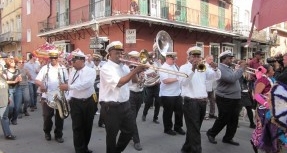
WWOZ 90.7 FM is the New Orleans Jazz and Heritage Station offering listener-supported, volunteer-programmed community radio. WWOZ covers many events live in and around the city and across the United States, and broadcasts live from the famed New Orleans Jazz and Heritage Festival annually. WWOZ’s mission is to be the worldwide voice, archive, and flag-bearer of New Orleans culture and musical heritage.
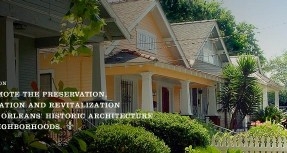
Preservation Resource Center (PRC) has been preserving, restoring, and revitalizing New Orleans’ historic architecture and neighborhoods since 1974. Throughout its history, PRC has acted as an advocacy agent on a local, regional, and national scale, spreading the word about the city’s rich architectural heritage and the economic importance of preserving this heritage. PRC also takes a hands-on approach to preservation, with a history of successfully restoring over 1,400 properties. The center strengthens and revitalizes New Orleans in a way that is forward-looking and sustainable, yet sensitive to the city’s past and its heritage.
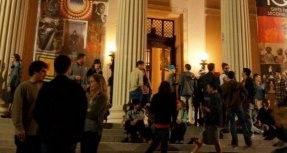
As a nexus for the arts in New Orleans, NOMA is committed to preserving, interpreting, and enriching its collections and renowned sculpture garden; offering innovative experiences for learning and interpretation; and uniting, inspiring, and engaging diverse communities and cultures.
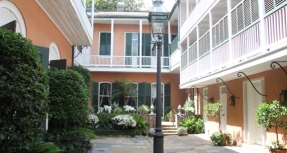
The Historic New Orleans Collection (THNOC) is a museum, research center, and publisher dedicated to preserving the history and culture of New Orleans and the Gulf South. Its holdings comprise more than one million items from more than three centuries, documenting moments both major and minor. Its four exhibition spaces–the Williams Gallery, the Louisiana History Galleries, the Boyd Cruise Gallery, and the Laura Simon Nelson Galleries for Louisiana Art–faithfully depict the multicultural stories of the region, from permanent displays exploring the evolution of Louisiana to rotating exhibitions showcasing history and fine art.
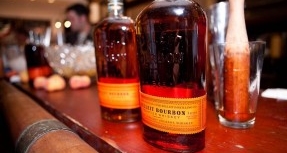
The Southern Food and Beverage Museum is a nonprofit living history organization dedicated to the discovery, understanding and celebration of the food, drink and the related culture of the South. While based in New Orleans, the Museum examines and celebrates all the cultures that have come together through the centuries to create the South’s unique culinary heritage. The Museum is also home to the collections of the Museum of the American Cocktail, the Galerie d’Absinthe, and a demonstration kitchen.
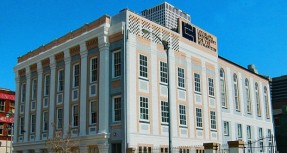
The Louisiana Endowment for the Humanities is a non-profit organization dedicated to providing educational opportunities to all Louisianans.
The Louisiana Endowment for the Humanities’ mission is to provide all Louisianans with access to and an appreciation of their own rich, shared and diverse historical, literary and cultural heritage through grant-supported outreach programs, family literacy and adult reading initiatives, teacher professional development institutes, publications, film and radio documentaries, museum exhibitions, cultural tourism, public lectures, library projects, and other public humanities programming.